
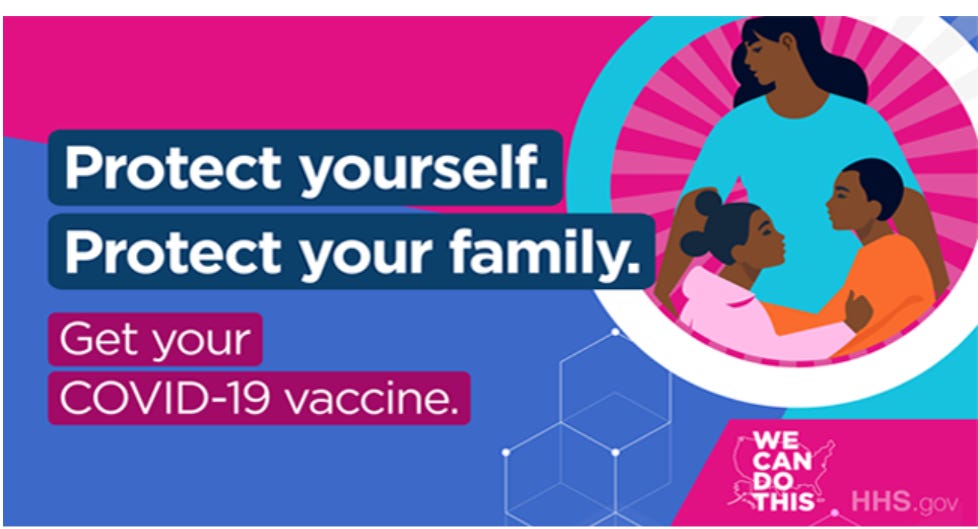
In 2020, as COVID-19 vaccines moved through development, HHS’s Office of the Assistant Secretary for Public Affairs launched the nationwide “We Can Do This” public education campaign. Through a series of task orders administered via NIH contracting vehicles, Fors Marsh received the primary award to design, produce, and execute the effort. The campaign ran from August 2020 through June 2023. According to a 2024 House Energy and Commerce Committee investigation, HHS ultimately paid the firm $911,174,285—roughly $20 million per month on average at its peak. Early awards of approximately $250–300 million began under the Trump administration; the work continued and expanded under Biden. Fors Marsh Group, an Arlington, Virginia-based firm founded in 2002, specializes in behavior-change research and strategy. The company combines behavioral science, data analytics, audience segmentation, and strategic communications to influence public attitudes and actions. As a certified B Corporation with an extensive portfolio of federal contracts—particularly with the Department of Health and Human Services—it found itself at the center of one of the largest public-health messaging efforts in recent U.S. history.
The firm and its subcontractors deployed a sophisticated mix of paid and earned media across television, radio, digital platforms, print, and social channels. They partnered with influencers, celebrities, and sports figures, conducted ongoing surveys of vaccine hesitancy (especially among parents), used social listening and search-trend monitoring, built detailed audience “personas,” and applied journey-mapping techniques. Messaging focused on vaccination- including for young children and subsequent boosters, along with masking, social distancing, and related behaviors. The explicit goal was behavior change among the “movable middle,” people open to persuasion but still hesitant.
A 2024 House Energy and Commerce Subcommittee report examined the campaign’s scientific accuracy and overall impact. Investigators found that much of the content rested on CDC guidance that later proved flawed or overstated. Ads and materials repeatedly claimed vaccines were highly effective against transmission, going beyond the limits of FDA Emergency Use Authorizations claims that collapsed as variants emerged. Mask-effectiveness messaging was inconsistent. Most notably, the campaign consistently exaggerated the risk of severe COVID-19 outcomes for children while emotionally targeting parents and downplaying side-effect concerns that Fors Marsh’s own internal surveys showed remained widespread. The report described the overall approach as emotionally manipulative and concluded it contributed to a lasting erosion of public trust in health institutions. Despite these documented problems, nearly a billion dollars in taxpayer funds used to promote claims that exceeded available evidence and overstated risks to low-risk groups, virtually no one has been held accountable. As of mid-2026, there have been no prosecutions, contract claw backs, debarments, or individual sanctions specifically tied to the “We Can Do This” campaign or to Fors Marsh Group’s role in it. The firm continues to win federal work. While other COVID-era matters (origins investigations, records concealment, and gain-of-function funding) have seen legal and administrative action, this massive messaging effort has largely escaped consequences beyond a congressional report. That disparity matters.
When private companies make unsupported health claims at scale, regulators and prosecutors routinely intervene. When the same pattern occurs with public money through a government-funded behavioral firm, the result has been documentation without meaningful accountability. Until clear standards require accurate, non-manipulative use of data in official communications, and until officials face real consequences for crossing those lines, the conditions that produced this campaign remain intact, and public trust continues to pay the price.