
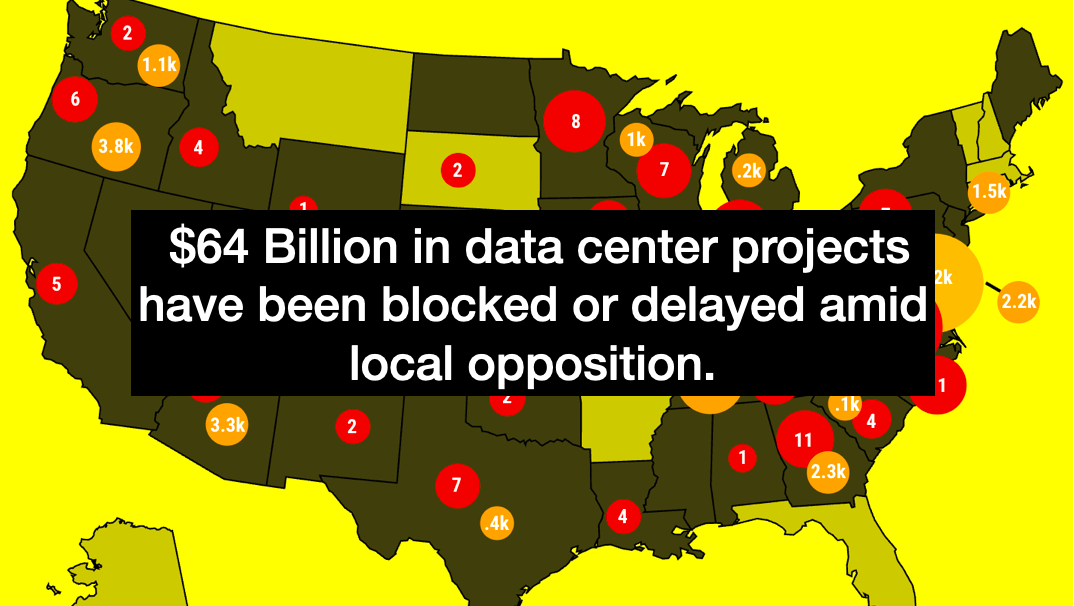
In a decisive move that puts local control first, Hill County has become the first county in Texas to approve a temporary moratorium on new data center projects.
Following more than four hours of impassioned public testimony, county commissioners voted to pause all new data center development. The goal is straightforward: give officials time to thoroughly examine the potential effects on the county’s resources and residents before any projects advance.
The moratorium focuses on studying critical concerns, including:
• Water resources — Data centers consume enormous volumes for cooling systems.
• Electricity supply — Massive power demands that could strain existing grids.
• Infrastructure capacity — Roads, utilities, and supporting systems pushed to their limits.
• Land use — Large-scale industrial development altering rural character.
• Community impacts — Effects on daily life, noise levels, and long-term livability.
This decision reflects a growing determination among local leaders to understand the full picture rather than surrender control of their future to rapid, large-scale development. Across Texas, rural counties have seen a surge of proposals for hyperscale data centers, even as the state already hosts well over 413 data centers that have been built and are operating.
Hill County’s action stands out as a bold assertion of responsibility. By hitting pause, commissioners are prioritizing thoughtful planning over unchecked growth — especially as major players continue to expand. Oracle, for example, is moving forward with plans for a massive data center campus in Abilene, underscoring the relentless pace of development statewide.
However, the move is not without risk. Because state law does not explicitly authorize counties to impose such moratoriums, Hill County could soon face challenges from the Texas Attorney General’s Office. A county simply trying to protect its water, land, and people may find itself in a legal confrontation with the state itself.
For now, residents of Hill County have secured breathing room. This temporary halt sends a clear message: progress is welcome, but not at the expense of the community’s foundation. The coming months will reveal whether this pioneering step inspires other counties or sparks wider debate about balancing innovation with local stewardship.