
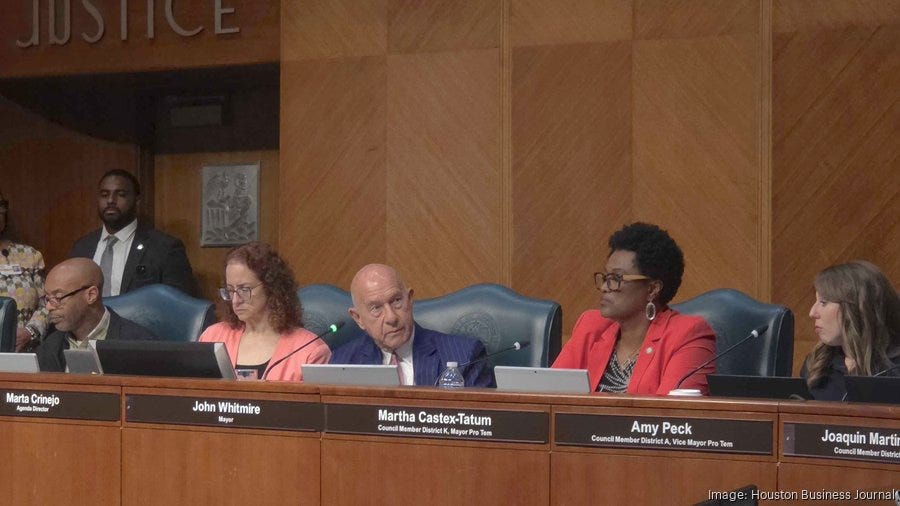
After facing intense pressure from state leaders, Houston City Council voted 13-4 on Wednesday to approve a revised immigration ordinance, easing previous limits on local police cooperation with federal immigration authorities.
The decision reverses key elements of an ordinance the council had passed just two weeks earlier on April 8. That earlier measure, approved 12-5 with Mayor John Whitmire’s support, removed a longstanding Houston Police Department (HPD) policy that required officers to wait up to 30 minutes for U.S. Immigration and Customs Enforcement (ICE) agents during encounters involving individuals with administrative immigration warrants, such as routine traffic stops.
Texas Governor Greg Abbott quickly responded by threatening to withhold roughly $110–114 million in critical state public safety grants. The funding supports vital programs including police overtime, homicide investigations, human trafficking and domestic violence response teams, and security planning for major events like the 2026 FIFA World Cup hosted at NRG Stadium. Texas Attorney General Ken Paxton also pursued legal action against the original policy, claiming it conflicted with state law.
Mayor Whitmire, who initially backed the April 8 ordinance, later called the standoff a “crisis” and worked with state officials to craft the revised version. The updated language provides police with greater flexibility during field encounters while aiming to restore compliance with the state grant agreements.
Councilmembers Alejandra Salinas, Abbie Kamin, and Edward Pollard — the original sponsors of the stricter measure — voted against the revision, arguing it represented capitulation to state pressure. Attempts to strengthen or further restrict cooperation with ICE were also defeated in the same 13-4 vote.
Supporters of the change stressed the need to protect essential public safety funding for Houston residents.
The revised ordinance brings an end to the immediate funding standoff between Texas’ largest city and state officials, though larger debates over immigration policy and local-federal law enforcement relations are expected to persist.