
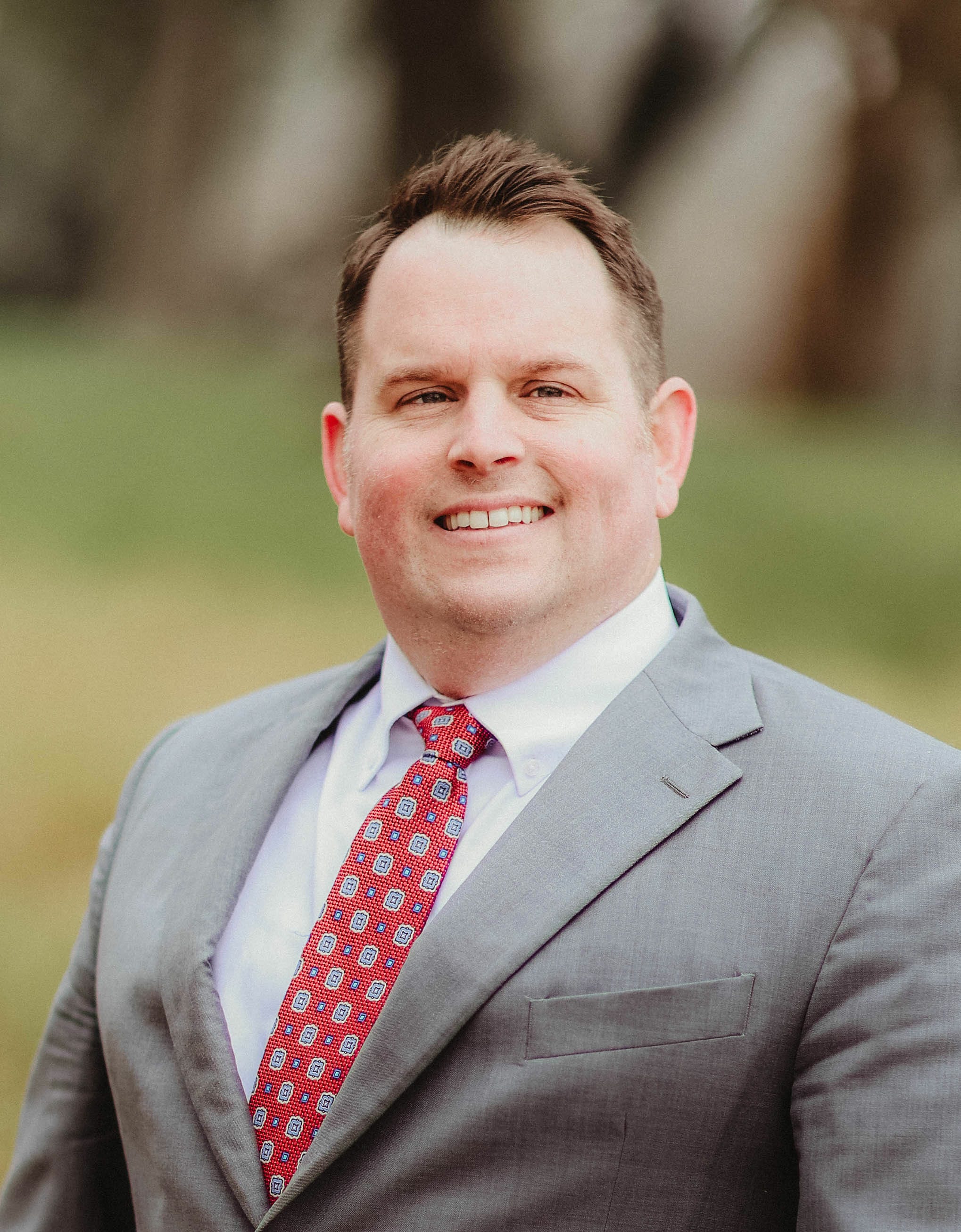
In a significant move aimed at strengthening student safety and accountability in public schools, the Texas Education Agency (TEA) has named Levi Fuller as its inaugural Inspector General for Educator Misconduct. The announcement, made on February 4, 2026, comes amid growing concerns over reports of educator misconduct, including sexual assault and other forms of abuse in Texas classrooms.
Fuller, a Lufkin native and veteran with a robust background in law and public service, will oversee the enforcement of policies related to educator misconduct. His role involves coordinating with TEA’s Educator Investigation Division to handle investigations, certification sanctions, placements on the Do Not Hire Registry, and case closures. Additionally, Fuller will provide policy guidance to the State Board for Educator Certification, Commissioner of Education Mike Morath, the Governor’s Office, and state legislators.
Commissioner Morath praised Fuller’s appointment, stating, “I look forward to the impactful work Levi Fuller will do in service of our students, families and school systems. With more than a decade of experience holding bad actors accountable, Levi will help root out the flawed few that sow distrust among families and school communities while helping to restore confidence in the teaching profession
Fuller, who is himself a parent of public school children, expressed his commitment to the position. “I know the positive impact my teachers had on my life, and I want all students in our public schools, including my own children, to have that same experience,” he said. “My mandate from Commissioner Morath is to do everything in the TEA’s power to ensure a safe learning environment for all Texas students, and I intend to see that mandate fulfilled.”
In an interview given to Erin Anderson of Texas Scorecard following the announcement, Fuller elaborated on his approach, describing himself as a “crusader” ready to address the issue head-on. “The goal is, how do we address this problem? How do we get rid of bad actors in schools who are hurting our kids? How do we get the kids back in the schools in a safe environment and learning?” he told Texas Scorecard. He emphasized the need for structural changes within TEA, increased transparency, and close collaboration with law enforcement.
The creation of this new enforcement role stems from a surge in allegations of educator misconduct, particularly sexual assault cases. Senate Bill 571, signed into law in June 2025, updated reporting requirements for child abuse and misconduct, mandating quicker notifications and imposing penalties for failures to report. It also empowered TEA to publish quarterly reports on misconduct data and enhanced the Do Not Hire Registry.According to a groundbreaking report by parent advocacy group Texas Education 911 titled State-Sponsored Child Abuse: School Employee Misconduct in Texas, released in December 2024, there were 6,888 reports of sexual and violent misconduct by public school employees against students in Texas schools over a 34-month period from September 2021 to July 2024.The report, based on an analysis of data from TEA’s Educator Misconduct Reporting Portal, revealed that a staggering 61 percent of these misconduct reports were not investigated by the TEA. This lack of follow-through has drawn sharp criticism for allowing potential bad actors to remain in or return to classrooms, contributing to eroded public trust in the education system.Breakdowns from the report further highlight the problem:
1,028 accounts of sexual misconduct, with 73 percent not investigated.
4,144 instances of violence by school employees against students, with 74 percent not investigated.
1,412 accounts of inappropriate relationships with students.
These figures were cited repeatedly during the 89th Texas Legislative Session, including in analyses of bills like HB 4623 and SB 571, which aimed to strengthen reporting requirements, enhance the Do Not Hire Registry, and mandate faster notifications and penalties for non-reporting. As of mid-2024, roughly 6,654 of the 6,888 allegations remained unresolved, amplifying calls for systemic reform.Fuller’s role as Inspector General directly addresses these gaps. He has indicated plans to incorporate recommendations from the Texas Education 911 report, including structural changes at TEA, greater transparency, and improved collaboration with law enforcement to ensure thorough investigations and accountability.With Texas public schools serving nearly 5.5 million students, the creation of this position and Fuller’s mandate represent a critical step toward protecting children and restoring confidence in educators by rooting out the minority of individuals who betray that trust. Advocates hope his leadership will lead to meaningful reductions in uninvestigated cases and faster resolutions for victims and families.