
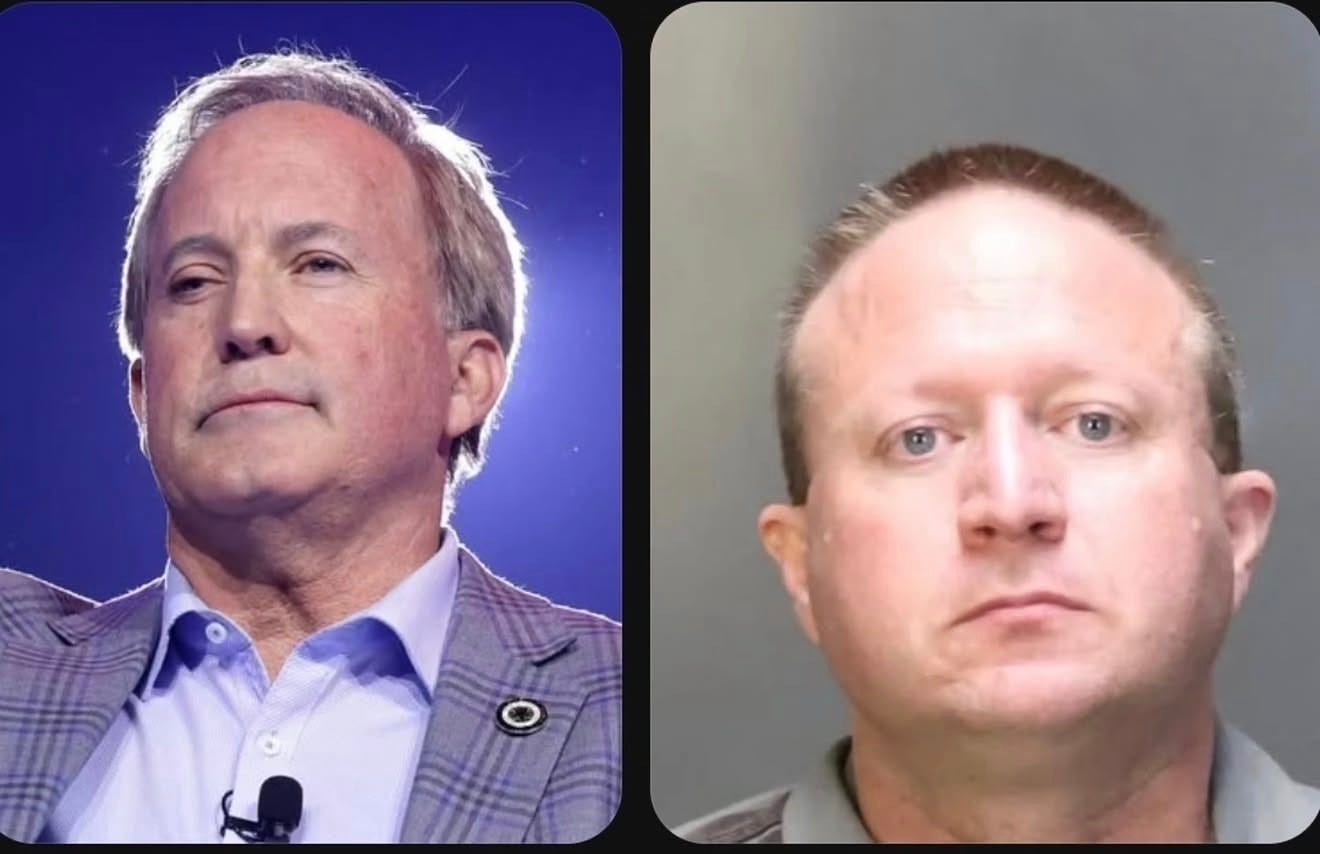
State Representative Jeff Leach Chairman of the House Committee on Judiciary & Civil Jurisprudence, sent a strongly worded letter to Attorney General Ken Paxton criticizing the Office of the Attorney General’s handling of the Adam Hoffman case and demanding a full explanation for what he described as an “incomprehensible” outcome that undermines public confidence in the justice system.
In the letter, sent via electronic transmission, Rep. Leach wrote on behalf of crime victims across Texas — particularly victims of sexual abuse and assault — expressing deep concern over the resolution of charges against Hoffman, who was originally facing a first-degree felony charge of Continuous Sexual Abuse of a Child.
According to the letter, Hoffman was accused of abusing a child over a period of approximately three years. The case was later resolved through a plea agreement that reduced the charges to misdemeanor offenses of indecent assault and displaying harmful material to a minor. As part of the deal, Hoffman reportedly faced only 30 days in county jail, was not required to register as a sex offender, and avoided disbarment or suspension of his law license. The presiding judge ultimately sentenced Hoffman to 60 days in jail and imposed a five-year suspension of his law license, but the lighter elements of the plea agreement remain a focal point of criticism.
“This outcome is incomprehensible,” Leach wrote. “And as the state’s top law enforcement officer, you owe all Texans an answer.”
Leach highlighted the broader implications for victims, noting that Texas routinely encourages survivors of sexual abuse to come forward, cooperate with investigators, and trust the justice system. “Yet cases like this severely undermine public confidence in our justice system and send a devastating message to victims: that even an allegation involving prolonged abuse of a child can ultimately be resolved with misdemeanor charges, minimal jail time, and no sex offender registration requirement.”
The letter poses several pointed questions to Paxton’s office, requesting a “full, direct and written explanation” regarding:
• The factual and legal basis for reducing the original felony charges to misdemeanors
• Why sex offender registration was not pursued or required
• Why Hoffman was permitted to retain his bar license and continue practicing law in Texas
• Whether the Attorney General’s office believes the outcome reflects justice for victims of child sexual abuse
• Whether gaps in Texas law contributed to this result
In addition to seeking written answers, Rep. Leach invited Paxton or senior representatives from the Attorney General’s office with direct knowledge of the case to testify before the Texas House Committee on Judiciary & Civil Jurisprudence at a mutually agreeable date and time. The goal, he stated, is to help lawmakers understand what occurred and determine if legislative reforms are needed “to ensure an egregious miscarriage of justice like this never happens again in the State of Texas.”
Leach emphasized that the inquiry is “not about politics” but about accountability, transparency, and restoring confidence in the justice system. “Victims deserve answers,” he wrote. “Texans deserve answers. And the Legislature has a duty to ensure our laws protect children and survivors rather than fail them.”
The letter closes with a request for a prompt response and Paxton’s willingness to assist the Legislature in fully examining the matter.
This development comes amid ongoing public scrutiny of how serious sexual offenses, particularly those involving children, are prosecuted and resolved in Texas. Rep. Leach’s letter speaks to the growing frustration among some lawmakers regarding plea negotiations that significantly reduce charges in grave cases.
The Attorney General’s office has not yet issued a public response to the letter as of the date it was sent. Further updates are expected as the House Judiciary Committee considers next steps.