
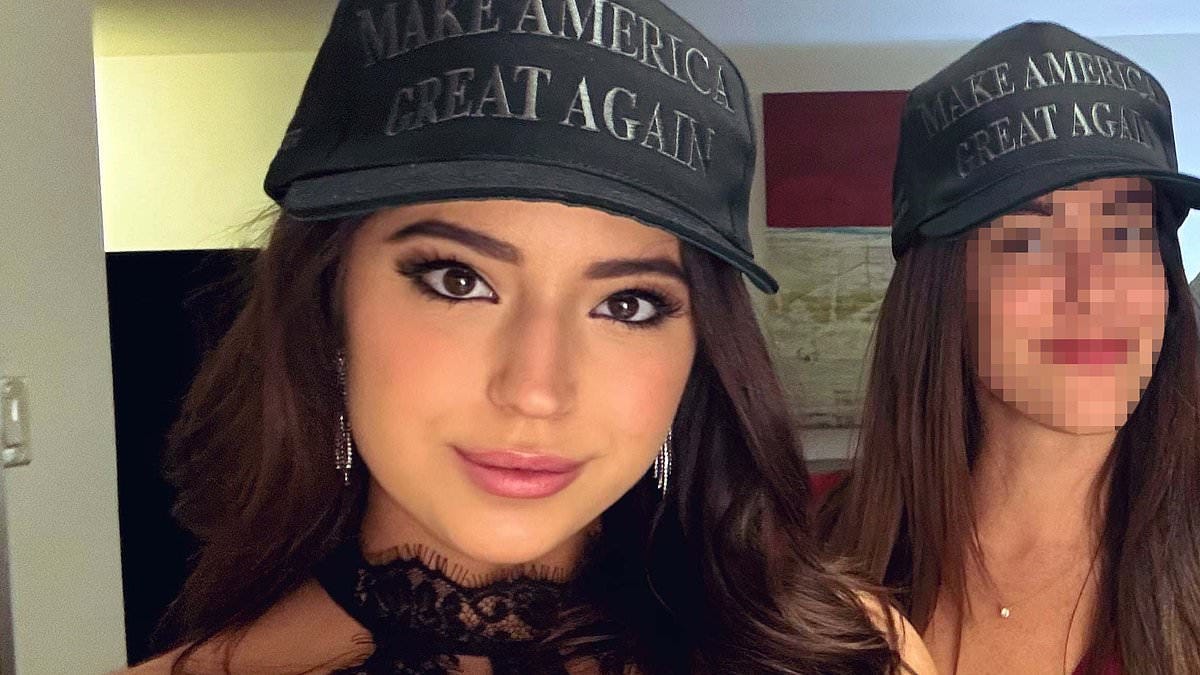
Ashley St. Clair spent nearly a decade as a rising star in the MAGA influencer ecosystem. Recruited as a teenager through Turning Point USA, she built a following exceeding one million on X while promoting conservative causes on immigration, culture wars, and Trump-aligned policies. Now, in a series of candid TikTok videos filmed in “get ready with me” style, St. Clair is detailing what she describes as a professionalized pay-to-play operation behind much of the movement’s online presence.
Rather than purely organic grassroots activism, St. Clair portrays the system as a sophisticated marketing and influence apparatus run through Republican consulting firms and operatives, including former White House officials.
The Paid Campaign Platform
At the core of the alleged operation are dedicated online platforms or portals created by GOP firms. Influencers log in to browse active “campaigns” — specific tasks tied to bills, policies, scandals, petitions, or cabinet nominations. She was reportedly offered payment to promote Ric Grenell for Secretary of State. They receive pre-written scripts and post the content to appear natural.
Compensation includes flat fees, per-action payouts, or larger sums for priority work. St. Clair estimates 99% of the largest MAGA influencers receive some form of direct compensation or perks, protected by asymmetric NDAs.
Group Chats for Real-Time Coordination
Private group chats on twitter connect large influencers with Trump administration or campaign figures. These facilitate synchronized messaging during controversies, with big accounts setting the tone and smaller ones amplifying it, creating an appearance of organic consensus.
FEC Disclosure Loopholes Enabling Undisclosed Payments
St. Clair specifically highlights how this system operates with minimal transparency due to gaps in Federal Election Commission (FEC) rules:
Consulting Firm Intermediary (“Wall”): When a campaign, PAC, or donor pays a consulting firm for “digital strategy” or messaging services, that expenditure appears in public FEC filings. However, once the firm pays individual influencers downstream (flat fees, per-post, or performance-based), no further disclosure is required. Influencers’ names and exact compensation amounts typically do not show up in records. The audience sees what looks like independent, organic commentary without any “paid for by” label.
Organic Social Media Content Not Treated as “Public Communication”: FEC regulations (including 2023–2024 updates on technological modernization) generally require disclaimers only for paid ads placed directly on platforms or traditional media. Content that influencers create and post organically on their own free accounts (even if compensated by a third party) is often not classified as requiring a disclaimer. The FEC views personal social media as a “soapbox” rather than paid advertising. This differs sharply from commercial endorsements, where the FTC mandates clear disclosure of material connections (e.g., #ad or #sponsored).
Issue Advocacy vs. Express Advocacy: Much of the promoted content focuses on policy, bills, or narratives rather than direct “vote for/defeat” calls, which lowers regulatory triggers. Coordination through group chats can blur independence lines, but proving violations is difficult.
Reform efforts exist: In October 2025, the Campaign Legal Center petitioned the FEC to require explicit “paid for by” disclaimers on influencers’ paid political content, arguing that voters are deprived of key information and can be misled into thinking support is organic. As of 2026, the FEC has not adopted broad new rules closing this gap, partly due to ongoing debates over free speech and the pace of digital evolution. Some states (e.g., California) have narrower rules for in-state elections, but federal oversight remains limited.
These claims, circulating widely in April, have sparked debate. Defenders note that donor-funded amplification and coordinated messaging occur across the political spectrum, and compensation for content creation is common in advocacy. Critics see it as undisclosed influence peddling that undermines authenticity.
Primary sources are her own video clips — viewers should watch them in full for context. As with any insider account, cross-reference against FEC filings, independent reporting on political consulting, and awareness of similar practices on all sides. The story raises larger questions about transparency in the influencer-driven era of politics: when does compensated, coordinated advocacy become undisclosed influence operations?
This is not surprising and I believe is happening all the time on both sides of the isle. Celebrities have been paid for years to “endorse” a candidate. Now we are seeing that supposed journalists are being paid in addition to celebrities (be they actors, sports figures or social media influencers). I think the bigger question is who is paying them!