
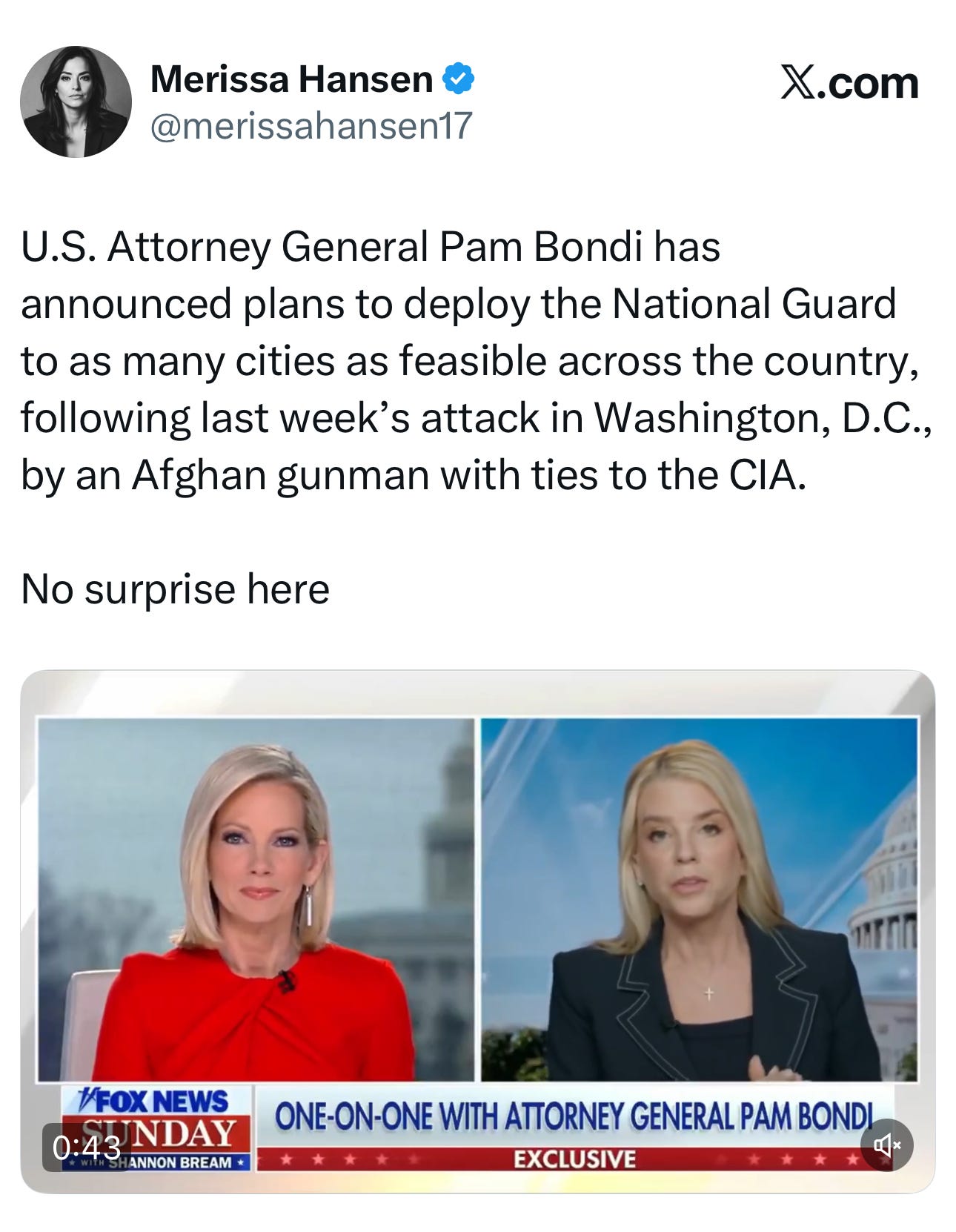
The United States has long grappled with the specter of terrorism, particularly from Islamist extremist groups, since the attacks of September 11, 2001. In recent years, concerns about a potential resurgence of such threats within the US have intensified, especially in the wake of the 2021 withdrawal from Afghanistan. Critics argue that this resurgence is not organic but a manufactured outcome of deliberate policy choices—including the chaotic pullout, inadequate vetting of Afghan refugees, and the role of non-governmental organizations (NGOs) in resettlement. These elements, create conditions that justify expanded surveillance, aligning with a broader agenda toward a surveillance state. While major Islamist terrorist attacks on US soil have been rare since 2021, with domestic extremism from other ideologies often posing comparable risks, the narrative of imported threats persists.
The Afghanistan Withdrawal: A Catalyst for Instability
The US military’s withdrawal from Afghanistan in August 2021 ended a 20-year engagement initiated in response to 9/11. While intended to conclude America’s longest war, it created a power vacuum that allowed groups like al-Qaeda and ISIS-K to regroup under Taliban protection. The 2025 DHS Homeland Threat Assessment notes increased complexities in security due to this instability. Critics liken it to past retreats that emboldened extremists, perceiving US weakness. Globally, ISIS affiliates caused over 1,800 deaths in 2024, per the Global Terrorism Index 2025. In the US, the FBI warns of heightened risks from Afghan-based groups, suggesting a small ongoing presence might have mitigated threats.
Refugee Resettlement, Vetting Failures, and the Case of Rahmanullah Lakanwal
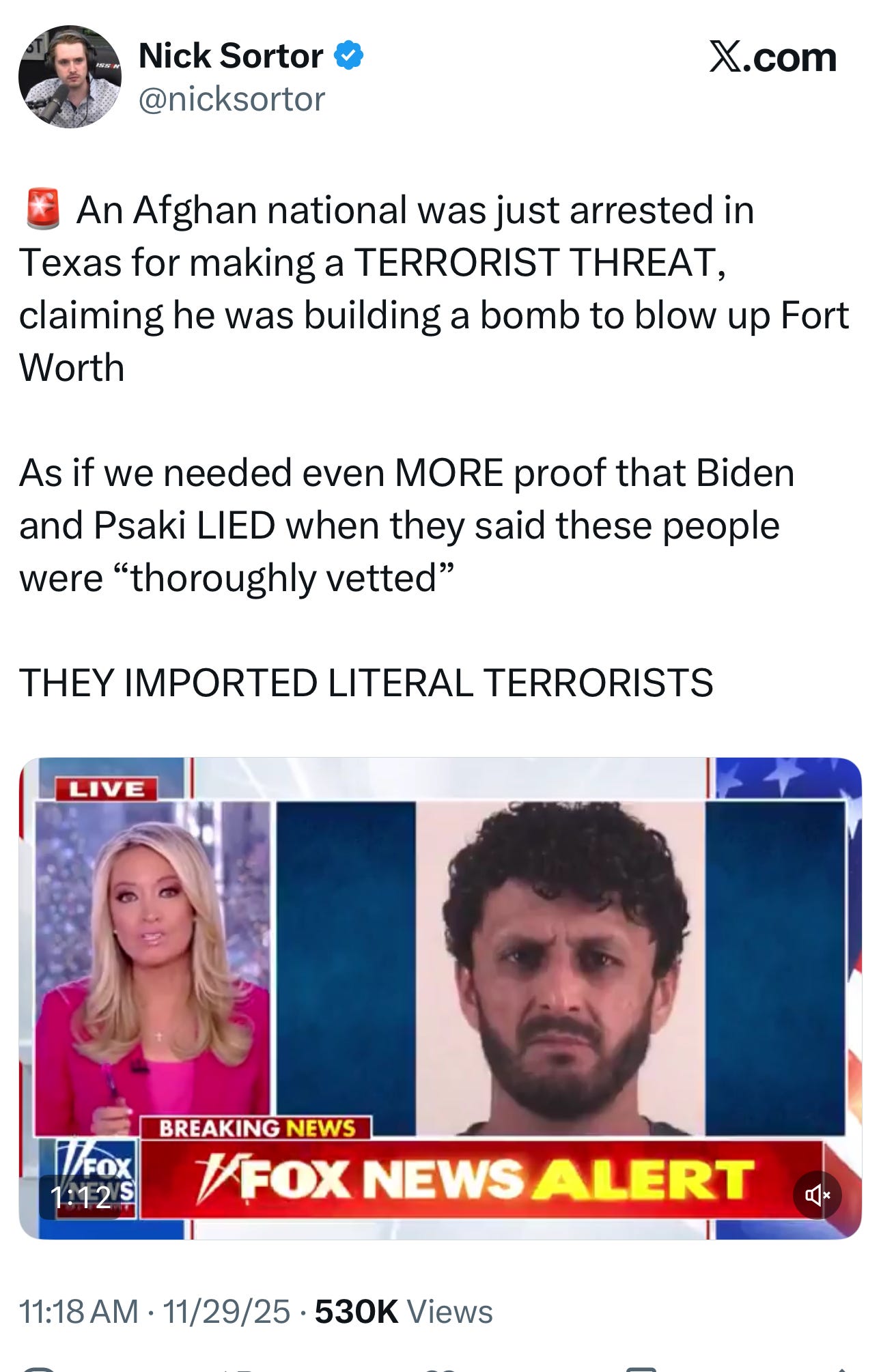
Operation Allies Welcome resettled about 200,000 Afghans post-withdrawal, many who aided US forces. However, the rushed process sparked vetting concerns, with agencies like the FBI conducting checks amid chaos. A Justice Department audit emphasized terrorism as a key screening risk, strained by volume. While most integrate successfully, isolated incidents highlight flaws.
A stark example emerged on November 27, 2025, when Rahmanullah Lakanwal (also referred to in some reports as Nasir Ahmad Lakanwal), a 29-year-old Afghan national and Muslim former CIA contractor granted asylum after vetting, was charged with shooting two National Guard members near the White House. He allegedly shot Specialist Sarah Beckstrom, 20, and Staff Sgt. Andrew Wolfe, 24, in the head while they were on patrol; Beckstrom succumbed to her injuries, leading to upgraded first-degree murder charges against Lakanwal. Despite counterterrorism clearances showing “nothing coming up,” USCIS has since added security measures. Critics, including veterans, point to “green-on-blue” incidents as cultural or ideological risks from hasty resettlement.
Details reveal a deeper pattern: Lakanwal was not a random evacuee but a member of the CIA-backed Afghan “Zero Units,” specifically Unit 03 of the Kandahar Strike Force—elite forces trained and funded for night raids, kill-capture operations, and covert activities using US intelligence and tax dollars. These units, answering to American handlers, faced documented human rights abuses, known to military and intelligence communities. Evacuated due to his cooperation with US intelligence, Lakanwal entered with what critics call minimal scrutiny despite his paramilitary background. This isn’t speculation—it’s on record from CIA and Afghan sources.
They don’t want you looking at the details, because the details point to a pattern that has been playing out for more than two decades. This is blowback: the predictable outcome of shadow wars, proxies, and cutout forces armed by the US, then imported under humanitarian pretexts. Media outlets have downplayed his “CIA asset” ties as conspiratorial, yet he worked with CIA partner forces and was resettled because of it. This incident may signal a larger operation—perhaps an “American Gladio,” echoing Cold War stay-behind networks that staged events to justify security measures. Let’s hope not.
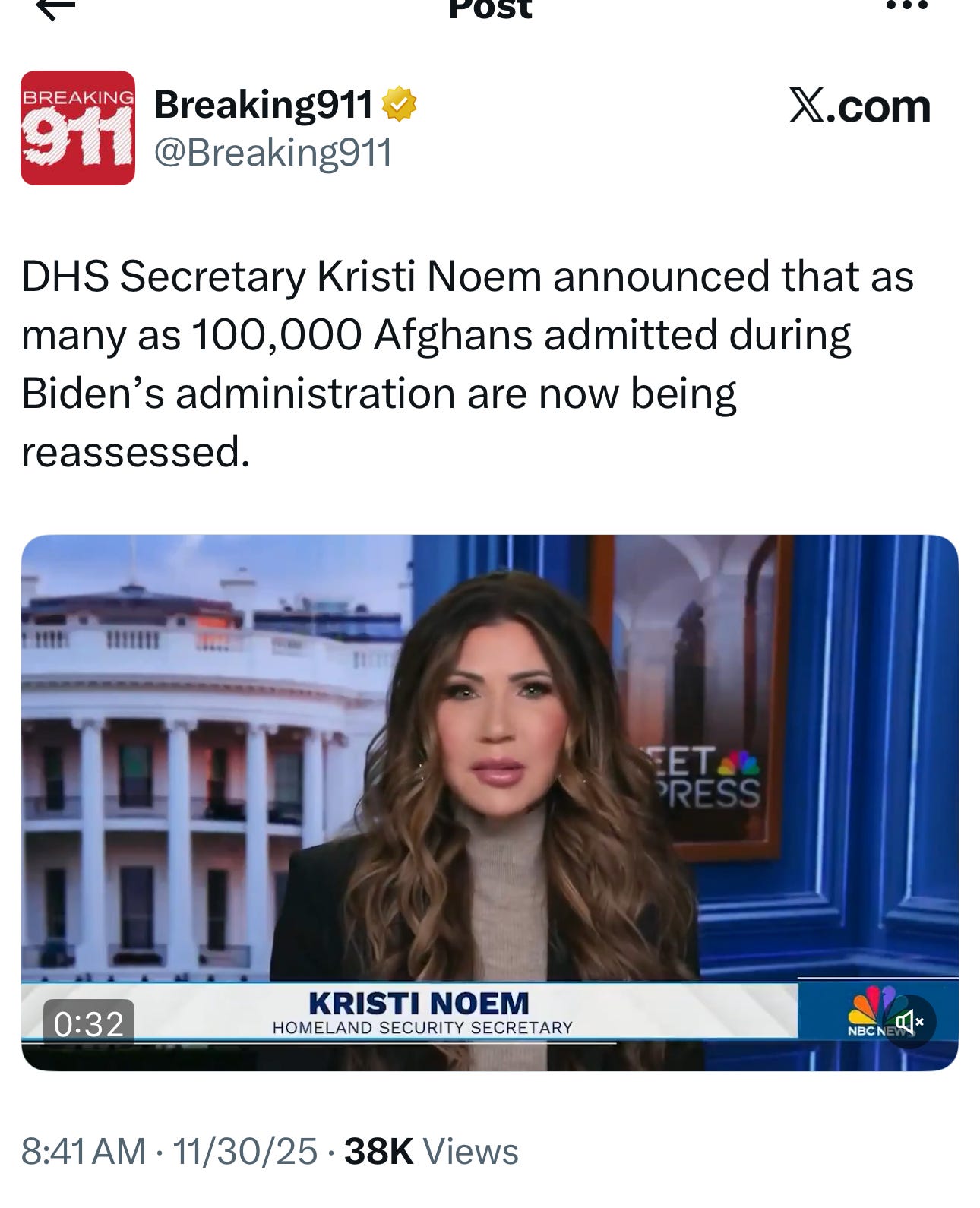
In response, the Trump administration has halted all asylum decisions and paused issuing visas for Afghan passport holders, citing vetting failures.
The Role of NGOs in Assistance and Embedded Risks
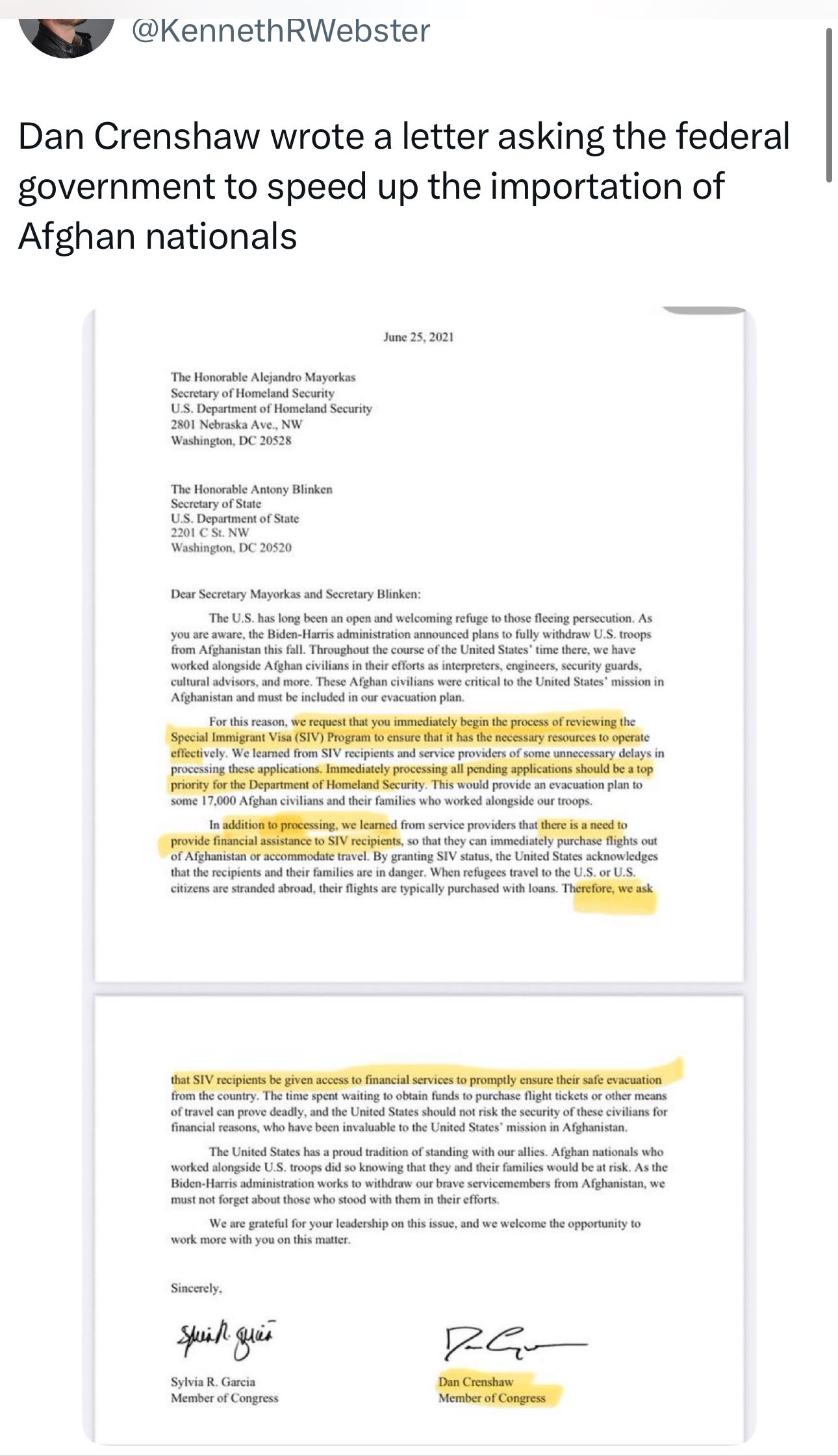
NGOs facilitated refugee aid, resettlement, and TRIG exemptions, often US-funded. Concerns include aid diversions to the Taliban and occasional associations with extremism. In the US, they assist SIV processes, but critics argue humanitarian urgency overlooks risks. The 2022 TRIG expansions for Afghan allies potentially widened entry. No direct NGO-terrorism links in US programs exist, but the dynamic balances compassion against security.
Policy-Driven Threats and the March Toward Surveillance
Post-withdrawal, global threats like lone-wolf attacks have risen, with ISIS persisting as a risk. Theories suggest US policies “manufacture” terrorism via instability, justifying surveillance expansions like the PATRIOT Act. Watchlist encounters tie to border and refugee flows. A 2025 executive order bolstered Terrorism Task Forces, raising privacy concerns from groups like the ACLU. Historical FBI practices fuel entrapment suspicions to maintain security structures. While deliberate conspiracies lack evidence, reactive policies amid real threats drive this cycle.
The Lakanwal shooting occurred right after the Trump administration normalized military presence in cities and pushed forward massive investments in surveillance technologies through initiatives like the “One Big Beautiful Bill” (H.R. 1) passed in July 2025. This bill and related actions allocate billions toward AI infrastructure (with calls for up to $500 billion in broader AI development), $1 billion for TSA surveillance upgrades including biometric checkpoints and facial scans, $46.5 billion for border infrastructure featuring AI towers and remote video monitoring, $6 billion for the genetic-based identity tracking via the HART database, $450 million to militarize local law enforcement with inspection towers, and $250 million for counter-drone tracking. Additionally, the administration has postured toward implementing Digital IDs, further entrenching a technocratic framework.
Whether the incident is real, staged, or somewhere in-between, it aligns perfectly with a Technocratic, Bio-Surveillance Agenda. Fear of radical Islam and “illegals” serves as the perfect psychological cover to rally liberty-minded Americans to support their own digital prison under the guise of “national security.” Critics on platforms like X highlight this as potential blowback or activation of assets to justify these expansions, drawing parallels to historical operations.
In conclusion, the Afghanistan withdrawal, vetting lapses, and NGO roles—exemplified by cases like Lakanwal—contribute to perceived threats, potentially manufactured through policy, paving the way for a surveillance state. Evidence-based reforms are essential to secure without sacrificing freedoms.